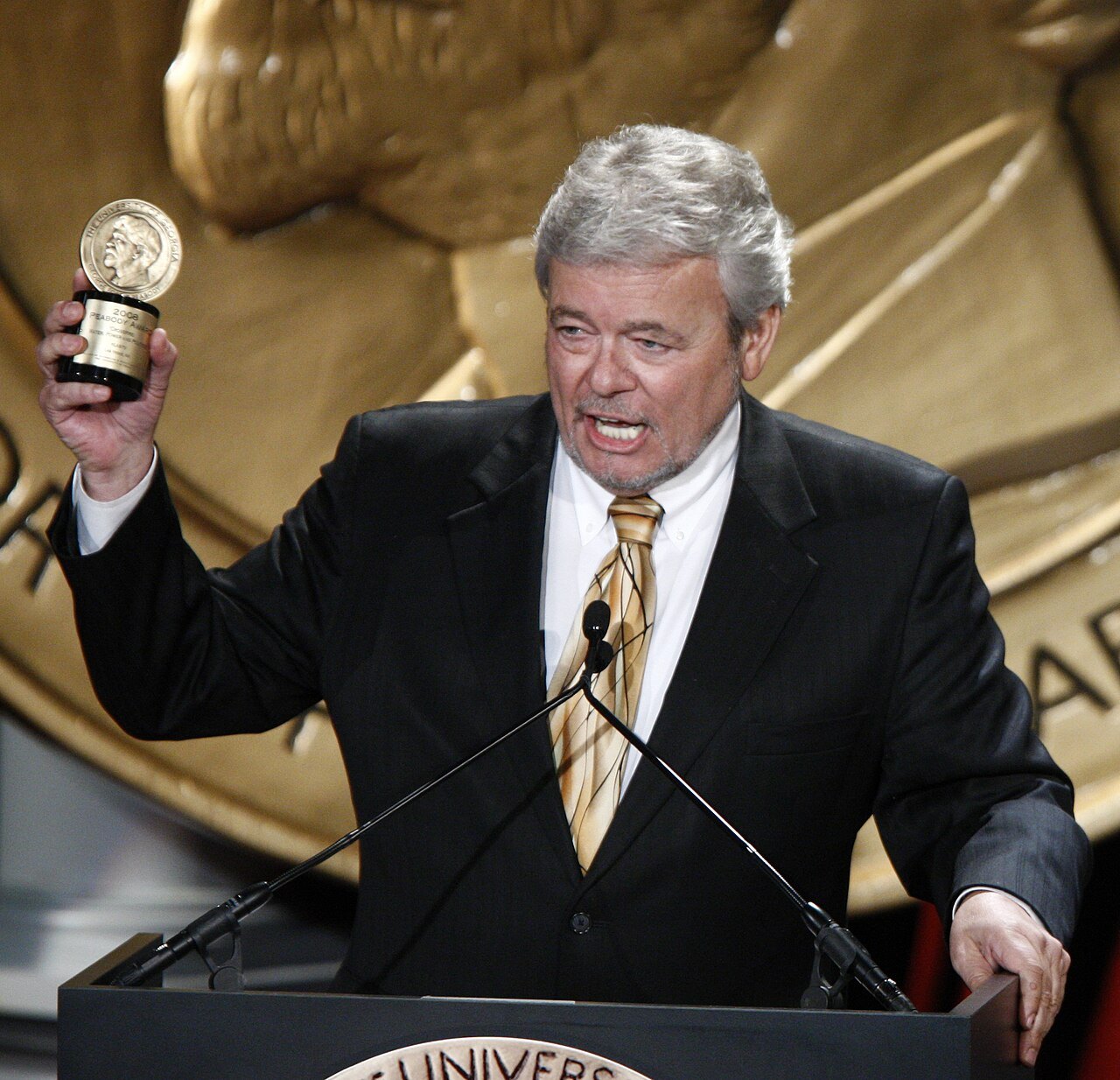
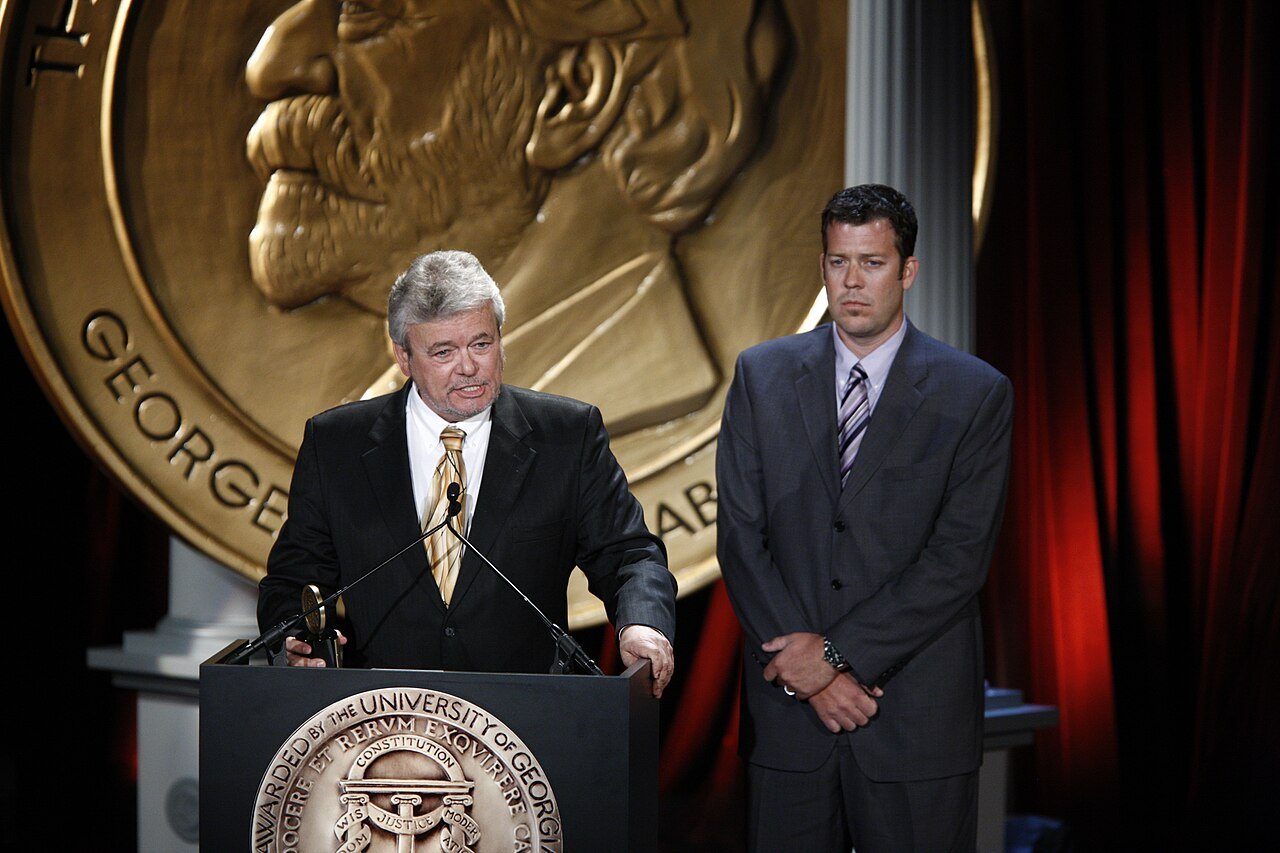
George Knapp
KLAS-TV / Mystery Wire — broke the Lazar story in 1989
Peabody Awards photo (Wikimedia Commons)
The 1989 story that put Area 51 on every map — nine hangars, a disc called the Sport Model, a fuel that didn’t officially exist yet, and a paper trail that still won’t sit still.
Before Bob Lazar, Area 51 was a real place with a quiet job: keep experimental aircraft away from cameras. After Bob Lazar — with John Lear’s Winnebago and George Knapp’s camera in the chain — it became a pilgrimage: black mailboxes, souvenir aliens, and a global shorthand for “they’re hiding something.” The explosion started on Las Vegas television in 1989, when a soft-spoken man told Knapp he’d worked south of Groom Lake at a site he called S-4, helping reverse-engineer craft that were not built here. Thirty-seven years on, the hangars still haven’t opened. The films keep rebuilding them anyway.
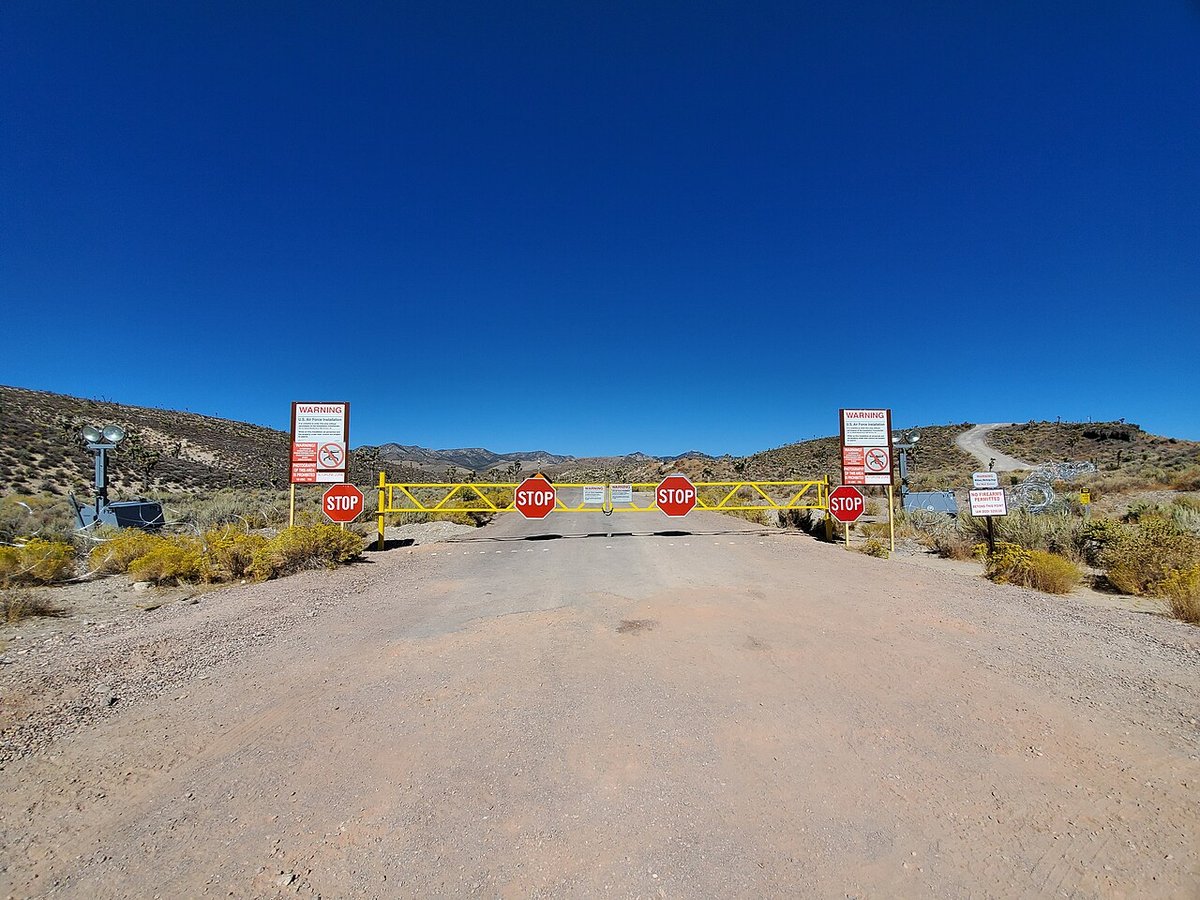
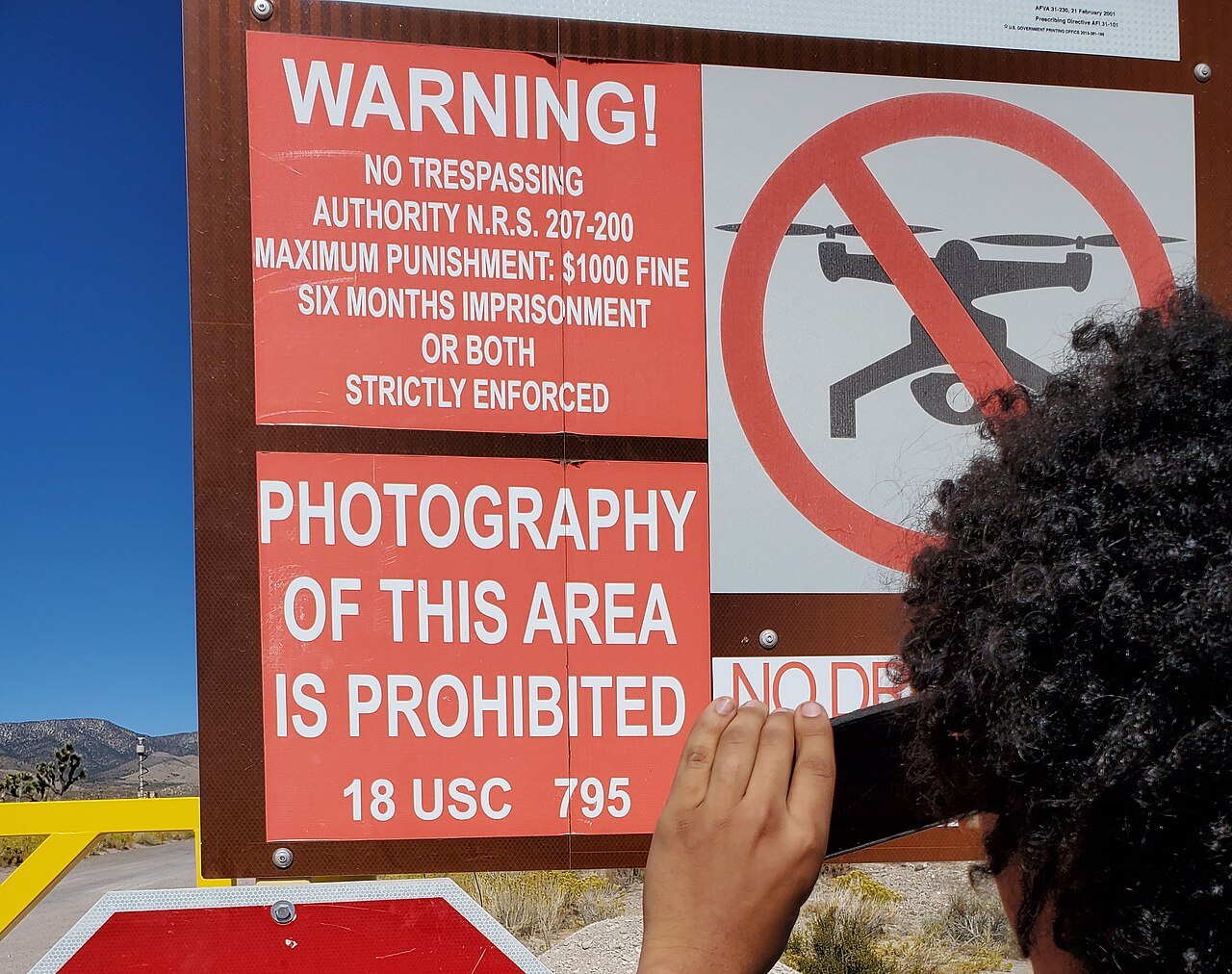
Restricted military land. Do not trespass on the Nellis range / Groom Lake / Papoose area. Look from public roads only.
Robert Scott Lazar’s public story, assembled from 1989 KLAS interviews and repeated with unusual consistency for decades, runs like this:
Cosmolink take Treat the above as one man’s continuous testimony, not as a declassified org chart. Area 51 (Groom) is a real classified flight-test site. S-4 as Lazar describes it remains uncorroborated. Element 115 (moscovium) was synthesized in 2003 — unstable in the lab, not a stable fuel stockpile. MIT/Caltech/EG&G/Navy paper trails do not match his résumé claims as publicly checked by Knapp, Friedman, and others. The cultural fact is undeniable: after Lazar, “Area 51” meant saucers to the world.
Peabody Awards photo (Wikimedia Commons)
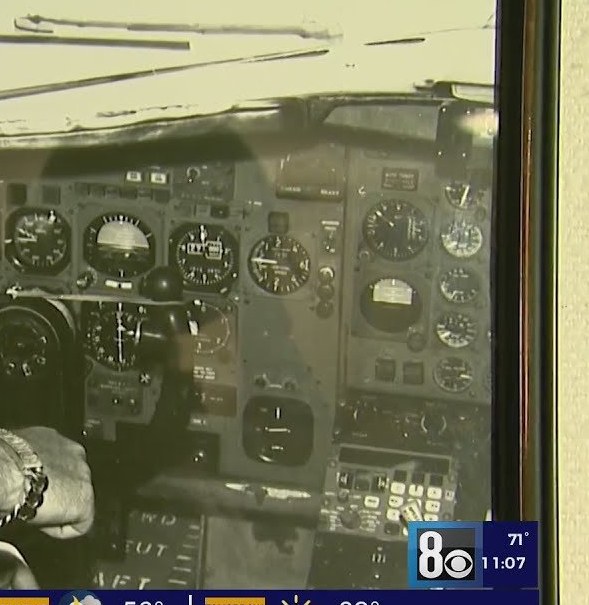
Still from KLAS / 8 News NOW biographical coverage
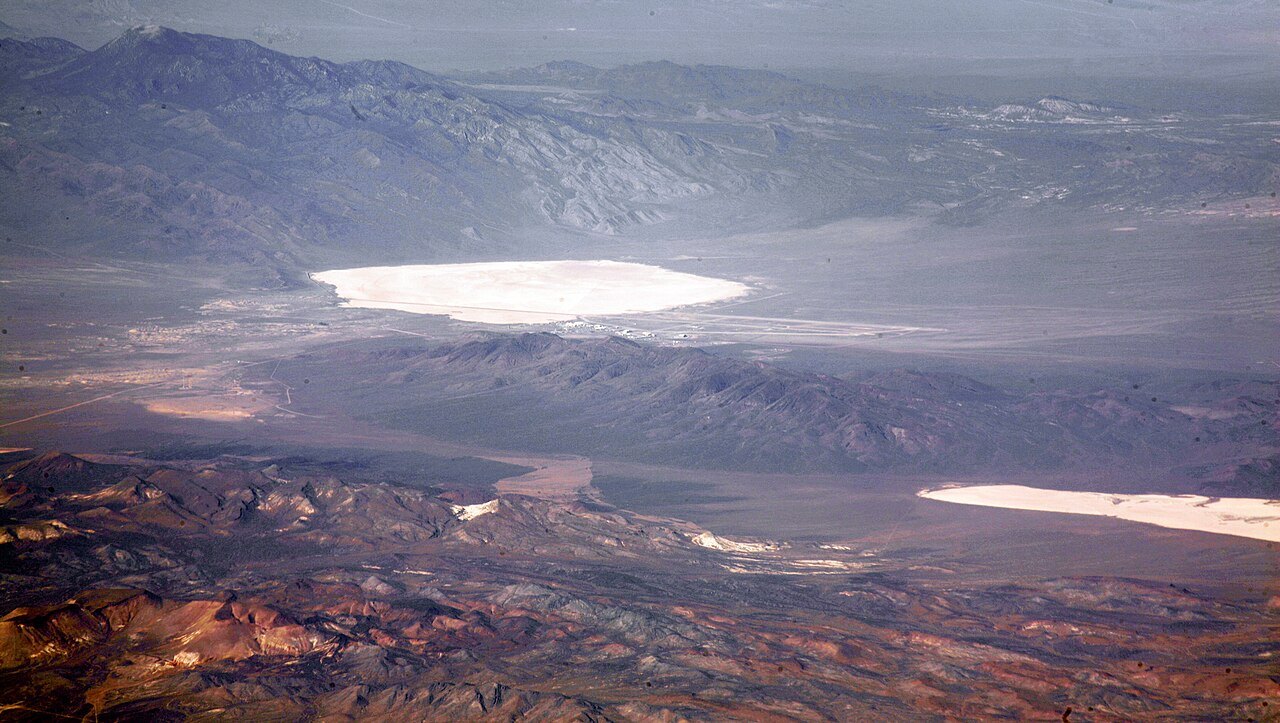
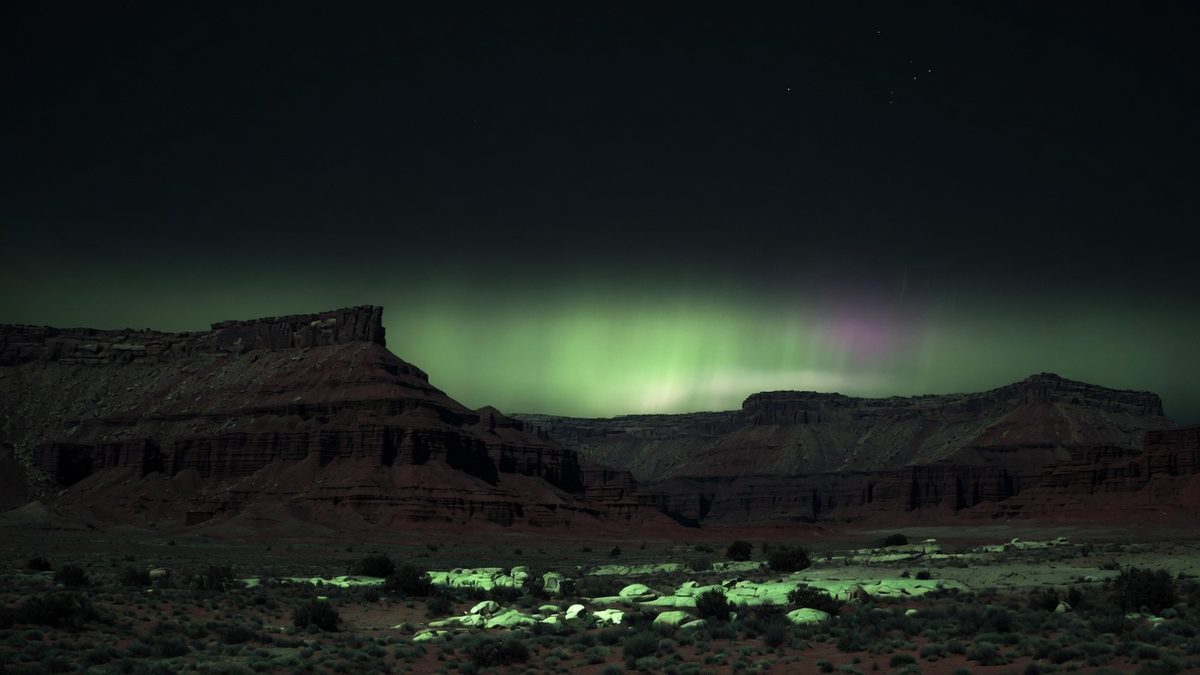
No rights-cleared Commons portrait of Lazar is available (press stills are copyrighted). We show the dry lakes he named.
Robert Scott Lazar was born January 1959 in Coral Gables, Florida — adopted, in his telling, by Albert Lazar and Phyllis Berliner — and raised toward Long Island, graduating W. Tresper Clarke High School in Westbury in 1976 somewhere in the bottom third of his class. Chemistry was his main science course. The MIT/Caltech legend comes later. The documented path runs through Pierce College in Los Angeles, electronics coursework, technician work at places like Fairchild, and a talent for building things that make neighbors stare.
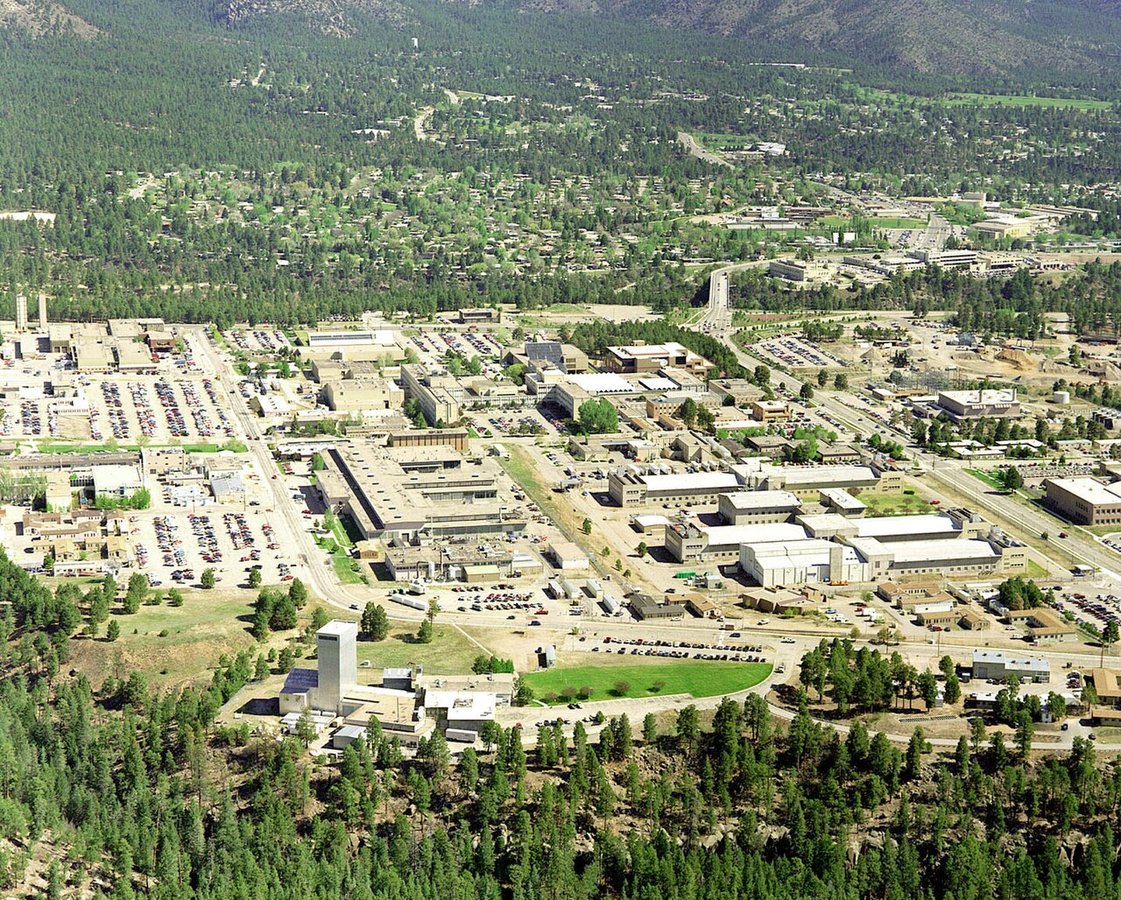
He put a jet engine on a Honda — license plate talk of JETUBET — and in June 1982 the Los Alamos Monitor put him on the front page: local man joins the jet set at two hundred miles an hour. The article called him a physicist at the Los Alamos Meson Physics Facility. Reporter Terry England later admitted he’d taken Lazar’s self-description at face value and never checked. That single caption did decades of work. Knapp would wave the clipping on air. Skeptics would wave England’s confession. Both sides are using the same newspaper.
The same week, Edward Teller was lecturing in town. Lazar’s story is that he spotted Teller reading the Monitor piece, introduced himself as the jet-car guy on the cover, and planted a seed that flowered years later when EG&G called. Whether Teller remembered a jet-car kid enough to open a black-site door is one of the tale’s softest joints — and one of its most repeated.
Los Alamos directories list him briefly (1982 into early 1983) with the Kirk-Mayer contractor tag. He and first wife Carol ran photo businesses — Studio West and the hustle of one-hour prints — the same world where Gene Huff would later meet “Bob the photo guy.” Personal life turned brutal in the mid-80s: Carol’s death (records cite carbon monoxide poisoning at a Las Vegas home in April 1986, after illness and depression in some tellings), remarriage to Tracy Murk days around that tragedy, bankruptcy filings. None of that proves saucers. All of it explains why people who knew him describe a man under pressure, building loud machines, chasing status in science towns that never quite handed him a diploma to hang.
By the late 80s he’s in Las Vegas — photo money, hobby science, a marriage Tracy would later hear the S-4 story inside — when the Lear/Huff orbit pulls him toward the one job interview that, if true, remade American UFO culture.

May 1989: Knapp airs a source with a hidden face, calling himself “Dennis” — a name Lazar later said he borrowed from a supervisor at the secret site. The silhouette talks saucers, a hangar dug into a mountainside, a propulsion system that bends gravity. By November the silhouette has a name and a face: Robert Scott Lazar, born January 1959, Florida to Long Island to Las Vegas, sitting under studio lights for a multi-part KLAS series.
The story he told then is, remarkably, the story he still tells. Late 1988 into early 1989. Hired through defense-contractor channels — EG&G in the telling — with a good word, he says, from physicist Edward Teller. Workdays at a facility fifteen-ish minutes south of the main Groom Lake base, at Papoose Lake, hangars cut into the hillside. Inside: nine flying discs. His main assignment: one of them, the one he nicknamed the Sport Model.
That broadcast didn’t just add a legend to ufology. It rebranded a classified airfield into a household word. Rachel, Nevada. The Black Mailbox. Bus tours to the “lines.” Whether Lazar is a whistleblower, a yarn-spinner, or something tangled in between, the cultural receipt is undeniable.
Lazar’s geography is precise enough to argue about on maps. Area 51 / Groom Lake is the famous rectangle — Homey Airport, dry lakebed runways, the place the CIA eventually acknowledged as a flight-test site. S-4, in his account, is not the tourist postcard. It’s a subordinate facility at Papoose Lake, roughly ten to fifteen miles south, built into the mountain, security thicker than Groom, buses with blacked-out windows, handlers who don’t do small talk.
He describes arriving, being badged, learning the choreography of a black site: don’t look at what you’re not cleared for, don’t ask sideways questions, don’t bring your civilian life onto the bus. The hangars open onto discs of different shapes — not all identical “flying saucers,” but a small fleet with family resemblance. Public satellite imagery of Papoose shows a dry lake and empty-looking terrain; believers say that’s the point of a buried facility; skeptics say that’s the point of a story with no hangar doors to photograph. Pilot photos of the Papoose area decades later (Gabe Zeifman and others) fueled new rounds of “is that S-4?” debate — still no public tour of a disc farm.
One useful distinction Cosmolink keeps: Groom Lake is real and restricted. S-4 as Lazar describes it remains an uncorroborated facility claim. Those two sentences can both be true at once.
Geography fights never die: commercial and pilot photography of Papoose dry lake and nearby slopes get scanned for “doors.” Cosmolink files those as photointerpretation debates, not as facility confirmation. Trespass laws still apply — look from public land only.
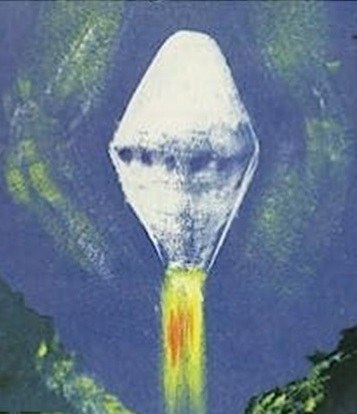
Of the nine craft, Lazar’s attention locked on the one he called the Sport Model — the clean disc, the one that looked almost toy-like until you started talking about what it did. Roughly fifteen feet across in his estimates. Seats too small for adult human comfort. No rivets, no obvious seams in the way aerospace engineers expect. He talks about being allowed inside, trying to sit, feeling the wrongness of the scale — a detail that lands differently depending on whether you hear a man remembering a hangar or a man polishing a myth.
The Sport Model’s heart, in his telling, is a reactor the size of a basketball-ish core assembly, fed by a stable isotope of Element 115. Gravity amplifiers — three of them, in the popular diagram of his lectures — take the reactor’s output and warp the local gravitational field so the craft doesn’t “fly” so much as fall in a chosen direction, including the claim of bending spacetime enough for extraordinary performance. He describes briefings, diagrams, the feeling of being a junior guy handed a machine that laughed at textbooks.
He also describes a night of seeing a craft under test — a demonstration flight — the disc lifting and moving in ways that didn’t match jets or helicopters. Supporters treat that as the emotional center of the story: not paperwork, but a thing that moved. Critics ask for anything that isn’t memory: a badge, a pay stub, a co-worker under oath, a photo with chain of custody.
Dig deeper into the hardware claim and Lazar gets more specific: a reactor core about the size of a half-basketball that, when energized, produces a gravitational field strong enough that he says he couldn’t push his hands toward it. Three gravity-wave amplifiers in a triangular layout under the disc. Two operating modes in his lectures — lower-speed atmospheric flight and a high-speed mode that bends spacetime hard enough for interstellar talk. Testors even sold a plastic Sport Model kit with a poster echoing his description — culture industrializing the sketch.
Later media (Corbell, Rogan, the 2026 S4 film — see below) put the Sport Model back in living rooms for new generations. The drawings circulate. The reactor sketch becomes meme and mantra. None of that is the same as a hangar door swinging open for inspectors.
Consistency across 1989→2019 tellings is why believers stay; absence of hardware photos and lab notebooks is why skeptics stay. Cosmolink’s rule: treat Sport Model as a claimed propulsion architecture with a public sketch history — demand metrology, materials, and custody before upgrading it to fact.

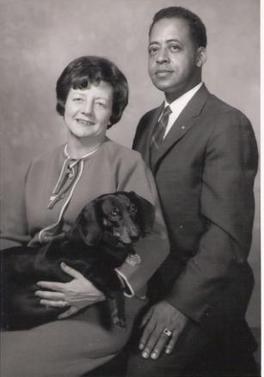
If George Knapp is the journalist who put Bob Lazar on television, John Olsen Lear (1942–2022) is the man who made the introduction possible — and who had already prepared Las Vegas to hear the word “Area 51” as something stranger than a spy-plane ranch.
Lear was aviation royalty and aviation mischief in one body: son of Learjet pioneer Bill Lear, holder of a stack of FAA certificates and speed records, a pilot whose résumé included airline work and, by his own oft-repeated account, CIA-adjacent cargo flying in the Vietnam era. By the late 1980s he had become, in the judgment of researchers who mapped that decade’s conspiracy boom, one of the most influential sources of the “dark side” UFO narrative — treaties with Greys, underground bases, Majestic committees, a government that lied about visitors in the walls.
In December 1987 he posted a statement to ParaNet (revised through 1988) claiming secret U.S. contact with extraterrestrials and accusing Hollywood of soft-selling “space brothers” while the real deal was a hostile bargain gone wrong. He walked into KLAS and talked to Knapp when Area 51 was still a name most Nevadans had never heard on the evening news. Knapp later said Lear’s on-air willingness to talk UFOs out loud is part of why Lazar eventually trusted that channel.
The social graph is almost too perfect for folklore. Gene Huff, a Las Vegas real-estate appraiser, knew Lazar as “Bob the photo guy” — developing house pictures at Lazar’s photo business, sometimes dealing with Lazar’s wife Tracy on deliveries. Huff wanted UFO tapes and lore; he found his way to Lear’s house — in some tellings offering appraisal work in trade for information. Huff becomes the social lubricant: not famous like Lear, not televised like Knapp, but present in the RV and the notes. Through Huff, Lear and Lazar connected. Early on, by Huff and Lear’s later Coast-to-Coast retellings, Lazar was the skeptic in the room — Los Alamos orbit, Q-clearance talk, dismissive of saucer chatter — until he said he’d landed work “out there.”
Lear and Huff have said they fed Lazar names and rumors to check — YY-2, Excalibur, pieces of the desert black-project map — and that Lazar came back claiming he’d gotten inside. Whether that sequence is recruitment, coincidence, or storytelling after the fact is still fought. What is solid in the media record: Lear became the connector who could vouch Lazar to Knapp, and Lear’s Winnebago became the vehicle for the desert watches that believers treat as the first civilian corroboration.
Lazar said S-4 ran high-performance tests on quiet nights — often remembered as Wednesday evenings — when the object would appear over the Jumbled Hills between Groom Lake Road and Papoose. Knapp and later writers have called the prediction itself “a big deal”: if Lazar could call the night and a light showed, that was harder to shrug than a hangar sketch alone.
Multiple outings get named in the oral history (dates vary slightly by teller; March–April 1989 is the cluster):
Lear filmed goofy desert footage of those trips; Knapp and Corbell have referenced home-video scraps of the crew by the vehicles. Huff kept notes. Lear lost an airline captain’s job, in his telling, after management asked if he believed in UFOs and didn’t like the answer. The desert watches are why Lear matters beyond “conspiracy radio guy”: he is in the car when the Lazar story stops being only Lazar’s mouth.
After the range heat, Lear and Huff pushed a media rescue plan: more exposure, not less. Lear could appear openly as the UFO-knowledgeable pilot; Lazar would sit in silhouette as “Dennis” (the first name of a supervisor, Lazar said) on Knapp’s May 1989 live interview. Knapp has been explicit in later Weaponized / Coast sit-downs: the interview was arranged through Lear — “is your UFO guy from Area 51 available?” Without Lear’s prior relationship with the station and his willingness to stand next to the claim, the silhouette might never have aired.
That makes Lear both catalyst and liability in the credibility war. Believers say an elite pilot doesn’t waste Wednesdays on nothing. Skeptics say Lear’s Majestic/Grey cosmology was already a firehose of unfalsifiable claims — and that standing next to Lazar amplified both men without proving either. Cosmolink’s line: you cannot tell the Lazar origin story honestly without a full Lear chapter. You also cannot treat Lear’s wider alien-treaty mythology as proven because he rode in the RV.
Lear kept broadcasting for decades: Art Bell, George Noory, Knapp guest seats, Ancient Aliens–adjacent cable, the “godfather of conspiracy” reputation Corbell and Knapp still unpack on Weaponized. He talked Dulce, moon oddities, secret wars, a “new Area 51” on other mesas — a parallel mythos that sometimes swallowed Lazar and sometimes ran beside him. He died 29 March 2022. The Lazar file did not; every new documentary still owes a debt to the night Lear turned the Winnebago north.

Further: John Lear — Wikipedia ↗ · Knapp/Corbell Weaponized episode on Lear · Coast-to-Coast archives (Huff & Lear, 2009 anniversary)
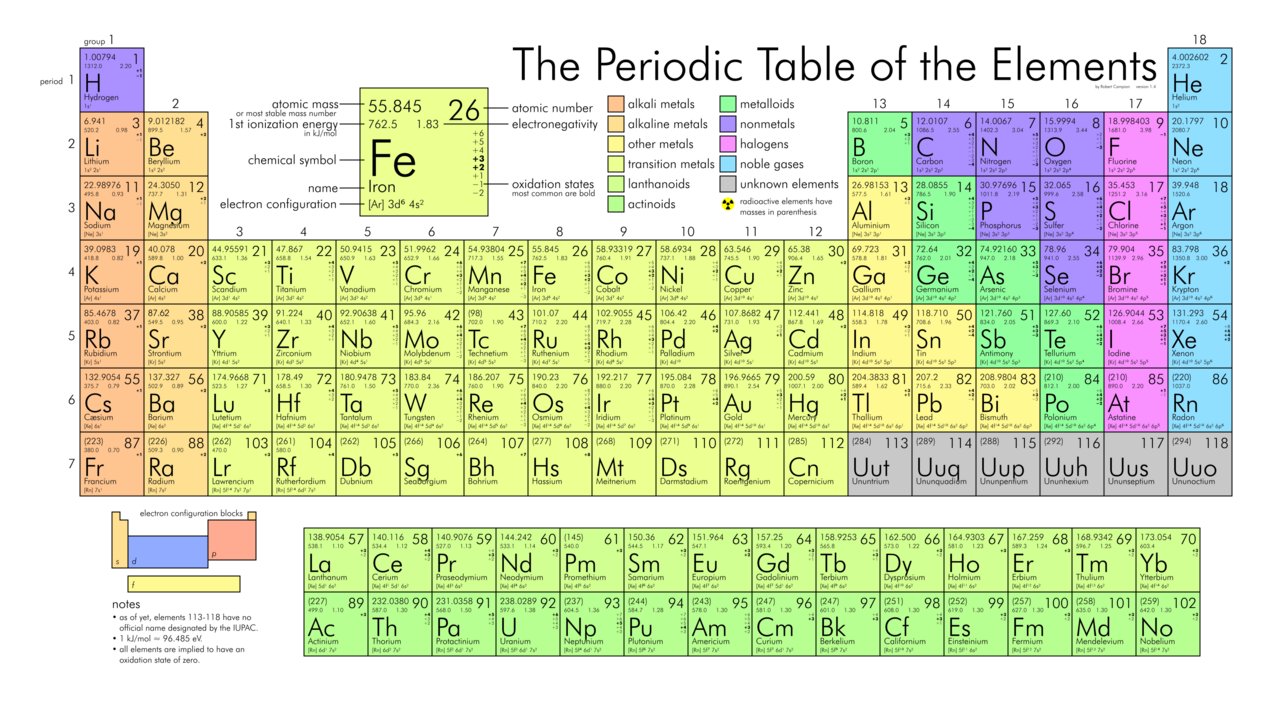
In 1989, Element 115 was not on the finished periodic table as a named, synthesized substance in public science. Lazar said the Sport Model ran on a stable isotope of it — and that the program held hundreds of pounds. That claim was either prophetic or lucky or invented; the culture has argued which ever since.
In 2003, a Dubna–Livermore collaboration synthesized element 115; IUPAC later named it moscovium. Believers pointed at the calendar: he named the number before the lab made the atoms. Physicists pointed at the properties: known moscovium isotopes are ferociously unstable, half-lives measured in milliseconds to seconds — nothing like a shelf-stable metal you stockpile by the hundredweight to fuel a fleet. Theorists still talk about an “island of stability” for some superheavy isotopes; that theoretical maybe is not the same as Lazar’s bench-stable fuel story.
Cosmolink’s line on 115 is narrow and deliberate: the element’s public existence does not validate the hangar; the hangar claim does not get cancelled just because the lab isotopes are short-lived. It is a coincidence that demands attention and refuses to finish the argument.

Cosmolink’s split: synthesis of element 115 happened; Lazar’s stable-fuel stockpile did not become public science. Both sentences can be true at once.
Lazar’s story doesn’t stop at engineering — and that’s where even some hardware-sympathizers get uneasy. He says he read briefing documents describing non-human beings — often linked in retellings to Zeta Reticuli — and a long timeline of contact and interference in human affairs stretching back thousands of years. Aliens in classrooms. Genetic programs. The kind of lore that already lived in Lear’s ParaNet statements and that critics say Lazar absorbed from the same desert gossip he was supposed to be verifying. He has described security theater around the work, threats, handlers who watched curiosity like a crime, the feeling that asking the wrong sideways question could end more than a paycheck.
Then the erasure claim: birth paperwork quirks, schools that “never heard of him,” employers gone from databases, a life scrubbed because he talked. Knapp treated the missing paper as suspicious. Probation officers and Friedman treated the missing paper as evidence the résumé was fiction from the start. Both readings are possible. Only one needs a conspiracy; the other needs a man who inflated himself and then blamed the void when the institutions shrugged.
Careful readers split the file here on purpose. You can take the Sport Model seriously as a claimed propulsion architecture and still demand proof. You can park the briefing mythology as unfalsifiable until documents appear. Lazar himself has often sounded more engineer than prophet — impatient with the carnival, protective of the hardware memory, allergic to being asked to prove he sat in a too-small seat. The carnival came anyway. Lear helped build the tent. Knapp sold tickets. Corbell and Vendittelli redesigned the set.
Cosmolink files briefing claims as testimony about documents, not as documents. Until pages appear with provenance, they stay on the contested shelf beside Sport Model sketches.

Before S-4, Lazar says he worked in the Los Alamos world — a “physicist” in the way newspaper captions once repeated. A 1980s Los Alamos-area phone directory listing with his name became a pillar for supporters: Knapp found it; it placed Lazar in that orbit. Look closer and the letters K/M appear beside the name — Kirk-Mayer (Kirk Meyer), a contractor that supplied technicians and support staff to the lab. Los Alamos has said he was not a lab physicist employee in the sense the legend prefers. Former colleagues and investigators have described technician-level work, not the MIT-Caltech wunderkind résumé.
That doesn’t make him a nobody. It does mean the public record of his scientific stature is thinner than the story needs — and thicker than critics who call him a pure phantom sometimes admit. The phone book is real. The job title fight is the whole war.


Lazar has claimed master’s-level work tied to MIT and Caltech. Investigators including nuclear physicist / ufologist Stanton Friedman said they found no diplomas, no transcripts, no yearbook ghosts, no professors who remembered him. Records that do surface point toward community-college / technical paths that don’t match the legend’s altitude. A Nevada pre-sentence report after his 1990 legal case — he pleaded guilty to felony pandering tied to a prostitution ring — stated he had “totally fictionalized his prior academic and employment history.” That sentence is a wrecking ball for credential claims. Supporters answer that the justice system and the security state rhymed against him; critics answer that the simplest reading is fabrication.
United Nuclear, the scientific supply business Lazar later ran, is a separate fact of his life — amateur chemists know the name — and it complicates the cartoon of “just a guy who lies on TV.” People contain multitudes. Multitudes still need documents.
Cosmolink’s method: separate can he describe a craft coherently? from did MIT confer a degree? Failed credentials do not automatically falsify every desert anecdote — but they destroy the “trust me, I’m the physicist on the program” shortcut.
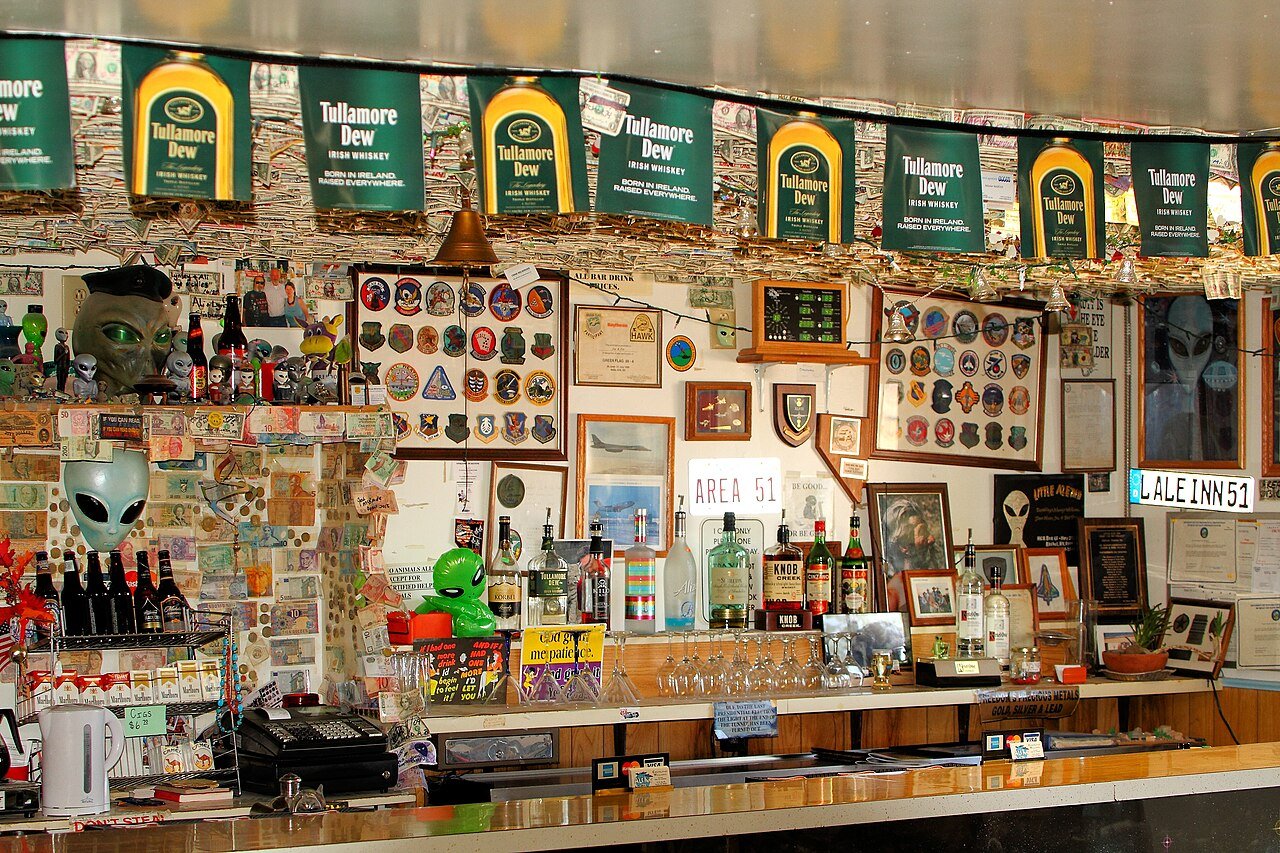
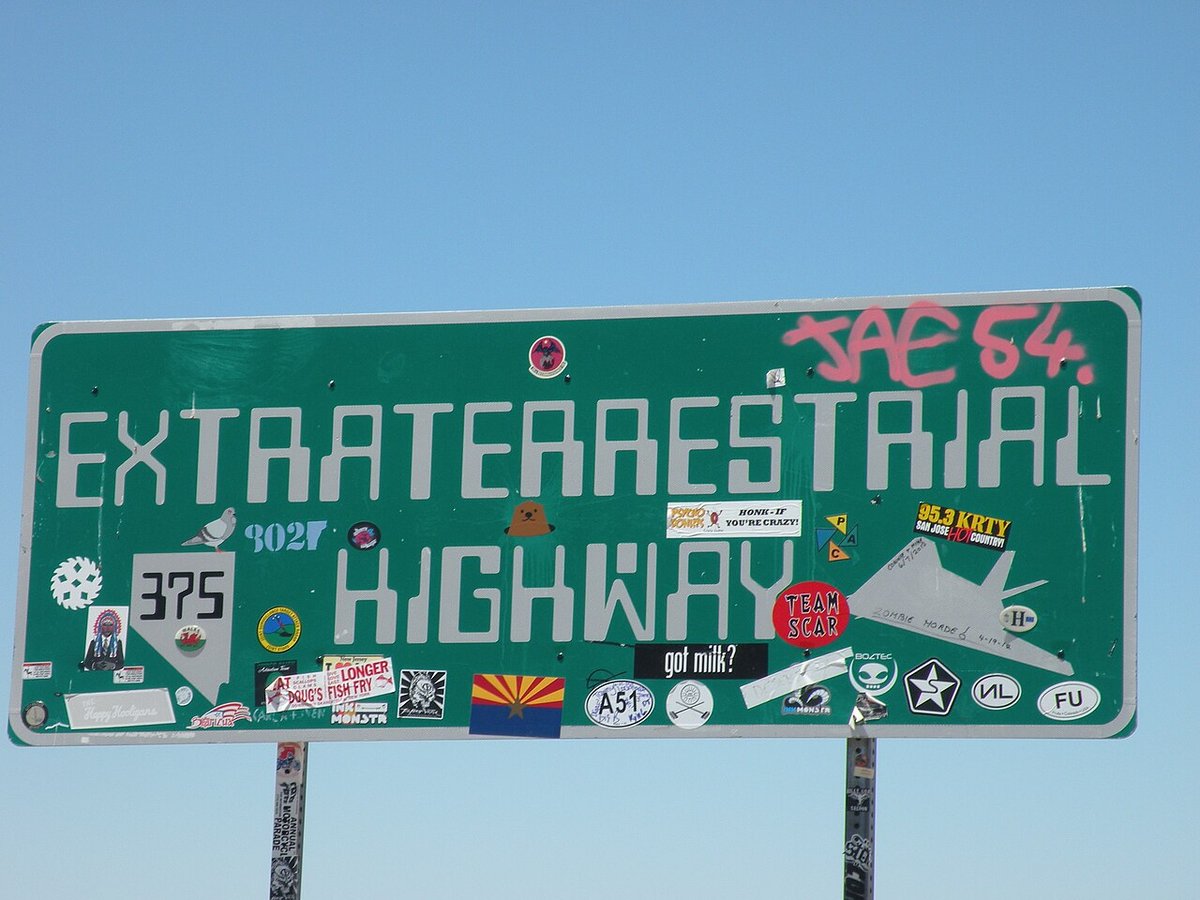
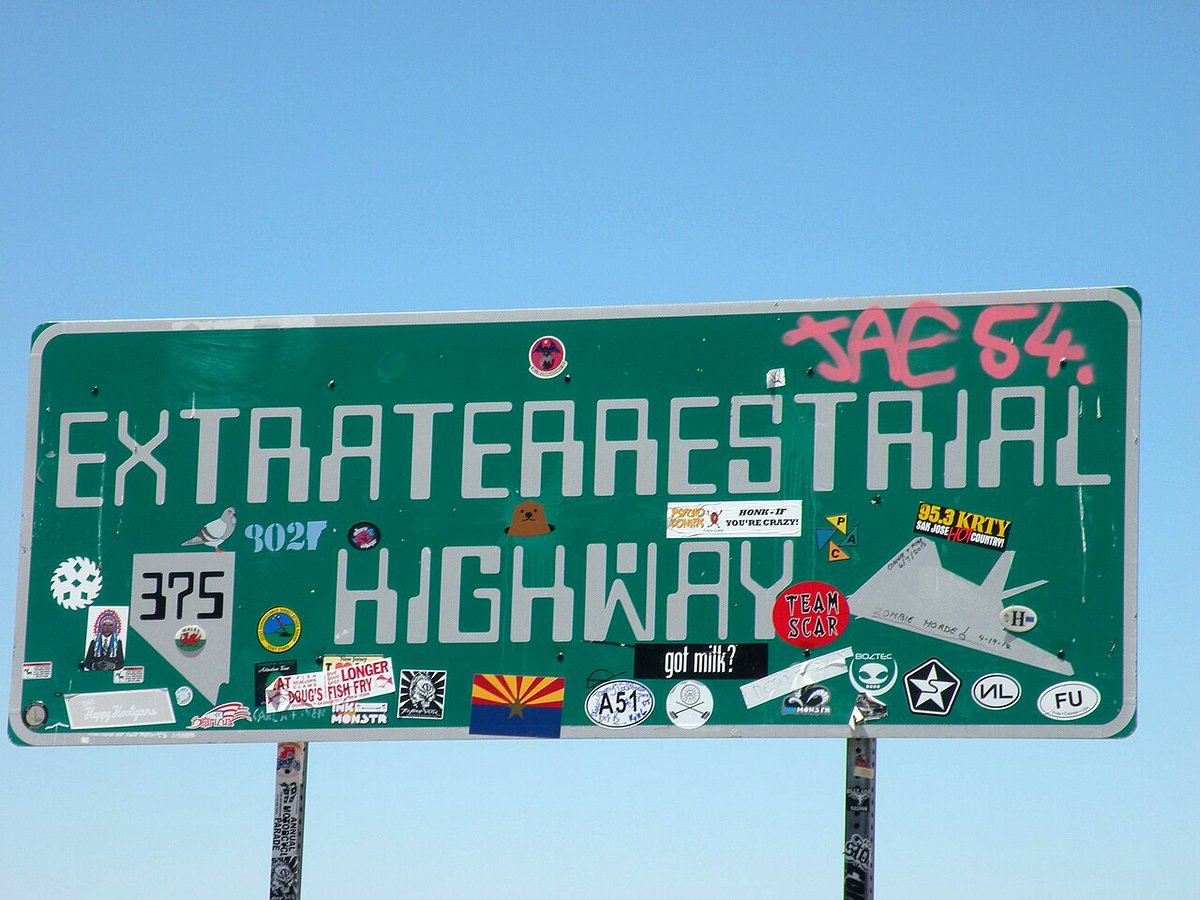
Before 1989, Groom Lake was a real secret with a narrow audience: aviation nerds, workers with badges, a few journalists sniffing spy planes. After Lazar — and after Lear made sure Knapp had a silhouette to interview — Area 51 became a global brand. Rachel’s Little A’Le’Inn. The Black Mailbox (moved, mourned, replaced by pilgrimage muscle memory). Extraterrestrial Highway signs the state itself eventually embraced as tourism. Bus tours to the “lines.” Storm Area 51 as a Facebook joke that forced the Air Force to issue real warnings.
The CIA’s later acknowledgment that Area 51 existed for U-2 and OXCART testing was historic — and also a non sequitur for S-4. Proving Groom Lake is a flight-test site does not prove Papoose hangars held nine discs. Lazar’s gift to the culture was turning a classified rectangle into a symbol. Symbols don’t need W-2s. Investigations do.
Modern UAP politics still brushes his silhouette. When AARO and Congress talk transparency, internet threads still ask: Post-2017 Tic Tac sensor talk changed stigma for UAP — it did not authenticate the Sport Model. The honest answer is boring and important: different evidence classes. Fleet FLIR with chain of custody is not the same as a 1989 oral tradition with Lear in the RV — even if Lazar himself, watching the Tic Tac years later, said the performance language felt familiar.
Sit with Knapp long enough and you hear a reporter’s instinct, not a cult leader’s. Something about Lazar’s early interviews felt wrong for a pure hoax — too much specific fear, too little polish, too many details that didn’t pay like a book tour. Area 51’s later public acknowledgment, the intensity of range security, the government’s willingness to fight disclosure in court over Groom Lake in the 1990s — none of that proves discs in a Papoose hangar, but it proves the neighborhood was already a cathedral of secrecy. Element 115’s later synthesis keeps the “how did he pick that number?” question alive for people who want it alive. Corbell’s film and Rogan’s audiences treat consistency over thirty-plus years as a kind of evidence — not courtroom evidence, but human evidence that the story didn’t mutate like a fish tale usually does.
Stanton Friedman didn’t come at Lazar as a debunker-for-hire; he came as a nuclear physicist who’d spent years arguing some UFO cases were real — which made his demolition sting harder. No degrees. Contractor, not staff physicist. Unstable lab 115 versus shelf-stable fuel myth. No co-workers under oath. No badges. No craft photos. RationalWiki and decades of skeptic ink pile on the pandering conviction, the résumé inflation, friends who called him a bullshitter even while half-believing the saucers. The Air Force and mainstream institutions have never endorsed S-4-as-described. AARO’s modern language about UAP doesn’t put Lazar’s Sport Model in a catalog of verified craft. If you require public, authenticated, chain-of-custody proof, Lazar has not delivered it — not in 1989, not on Netflix, not on a podcast mic.
One of the few physical artifacts Lazar has produced is a W-2 showing a small amount of income — under a thousand dollars in the usual telling — supposedly paid by the “Department of Naval Intelligence.” Skeptics jumped on the wording: the Navy has an Office of Naval Intelligence, not a Department by that name. Supporters point to researcher Bob Oechsler’s claim that IRS contacts treated the form as legitimate in his inquiries. EG&G has said it has no records of the interview Lazar describes. A contested pay stub is not a hangar tour — but in a story starved of paper, every scrap gets put under glass.
Away from Papoose, Lazar’s public life is louder than a quiet physicist’s. As a young man he was the jet-car guy — engines on bikes and cars, a 1982 Los Alamos Monitor feature that called him a lab physicist (the reporter later admitted he didn’t fact-check the title). Bedroom particle-accelerator lore, hydrogen Corvettes, DIY extremity. He co-ran Desert Blast, an annual Nevada pyrotechnics free-for-all — homemade explosives, rockets, jet vehicles — desert mad-science tourism covered by mainstream hobby press.
He owns United Nuclear Scientific Equipment and Supplies, selling chemicals and materials to hobbyists. That business has collided with the state: mid-2000s shipping/fireworks-component cases (company plea, fine, probation); and a 2017 FBI / local raid during the Corbell film period, officially about whether United Nuclear sold thallium linked to a Michigan murder investigation (Lazar not named as a suspect). Believers heard “they’re hunting Element 115.” Tim McMillan’s Vice reporting pushed Lazar on whether he still had any; Lazar said he wouldn’t show it even if he did.
In 2019, when “Storm Area 51” became a meme army, Lazar warned people not to try it — stressing that any alien tech he knew was at S-4 decades earlier, not a festival you rush with phones.
Lazar didn’t stay a 1989 local-news story. For three decades the same core claim — S-4, nine discs, the Sport Model, Element 115 — has been remade as documentary, autobiography, podcast marathon, and CGI reconstruction. The media machine doesn’t settle the physics. It does keep the file warm, introduce new audiences, and sometimes sharpen old details under brighter lights.
The landmark film for a generation is Jeremy Corbell’s Bob Lazar: Area 51 & Flying Saucers (2018; wide streaming push around 2019), made with George Knapp’s reporting orbit in the mix. It put Lazar back in living rooms: hangar drawings, the reactor sketch, the tired engineer cadence, Netflix and festival chatter. Corbell’s project didn’t invent the legend; it packaged it for people who’d never seen the KLAS tapes.
April 2026 brought a louder remake of the same mythology: S4: The Bob Lazar Story, directed by Luigi Vendittelli (with Christopher Matteau), roughly one hour fifty-four minutes, narrated by Lazar himself. Knapp appears in interview. The selling point isn’t a new badge or a FOIA dump — it’s reconstruction. Vendittelli came at the story as a Canadian outsider who’d fallen down the rabbit hole in lockdown, starting with a die-cast Sport Model and ending in VR/CGI recreations of the base and craft “inside and out.” Rogan’s own plug called out full-scale models and CGI that make the old story feel walkable. Streaming push included Amazon Prime and wearenotalone.com; Mystery Wire covered the collaboration as bringing the original tale “to life” with tools 1989 didn’t have.
Cosmolink’s note on S4: it is a production of Lazar’s account — immersive, partisan to the witness, useful as a tour of what he claims — not an independent audit of employment records. Watch it as testimony-with-sets. Then come back to the paper fight.
Podcasts did as much as cinema. The Joe Rogan Experience #1315 (June 2019) with Lazar and Corbell became one of the most-watched JRE episodes ever — hours of Sport Model, 115, scrubbed records, and Rogan playing both believer and cross-examiner for a mass audience. Corbell returned alone on later episodes (including #1853) keeping the film and the wider UAP beat in circulation. In April 2026, Lazar returned for JRE #2479 with Vendittelli — timed to the S4 release — another long session walking recreations, Papoose geography, and the same contested biography.
Outside Rogan, Lazar’s voice shows up across Coast-to-Coast-adjacent radio culture (Art Bell–era and after), UFO conferences, and endless YouTube re-cuts of the Knapp interviews. Knapp keeps circling back — Mystery Wire, NewsNation, Reality Check with Vendittelli. The autobiography Dreamland (Lazar with Knapp, 2019) is the print companion — including the human mess of memory fading (coefficients and mode names he later said he’d lost). When Lazar was shown the Navy Tic Tac video in Knapp/Corbell coverage, he said it reminded him of the Sport Model — rhetoric bridging 1989 lore to 2004 sensors, not a lab ID.
Loudest media pulses: 1989 KLAS → Lear/Huff desert watches → 1990s conference/VHS circuit → Desert Blast notoriety → Corbell film + JRE #1315 (2018–19) → Dreamland → Storm Area 51 warning → S4 film + JRE #2479 (2026).
Strip the edits and you still get the same load-bearing sentences:
Films and podcasts rearrange the furniture. They don’t replace the missing registrar files or the co-worker under oath. They do explain why a 2026 viewer can still feel like it’s the first time — hangars rebuilt in pixels, Lear’s RV still in the origin myth.

Watch / listen: S4: The Bob Lazar Story (IMDb) ↗ · JRE #1315 — Lazar & Corbell ↗ · JRE #2479 — Lazar & Vendittelli ↗ · Mystery Wire ↗ · Creators desk
Authenticated S-4 employment records. Named colleagues who corroborate under something stronger than a forum post. Education files that survive registrar scrutiny. A scrap of Element 115 with provenance that isn’t a punchline. Or, from the other direction: a clean forensic close-out with primary HR and security files that end the employment claim without fog. Cinema clears none of those bars. Neither does charisma. Neither does “he sounded scared.”
Until then, Cosmolink files Lazar the way the culture actually uses him: as the man who taught the world to say Area 51 out loud, as the author of the Sport Model dream, and as one of the hardest credibility fights in modern UAP lore — a fight that is still open because the documents never arrived to close it.
Filter by lane: biography, credentials fight, S-4 employment, Sport Model tests, briefing documents, Element 115, going public, and the paper war. Tap a beat to expand. Dates mix public record with Lazar’s claimed chronology — Cosmolink labels the difference in each note.
Loading timeline…